Leadwork
Leadwork and chimney flashing in Bristol
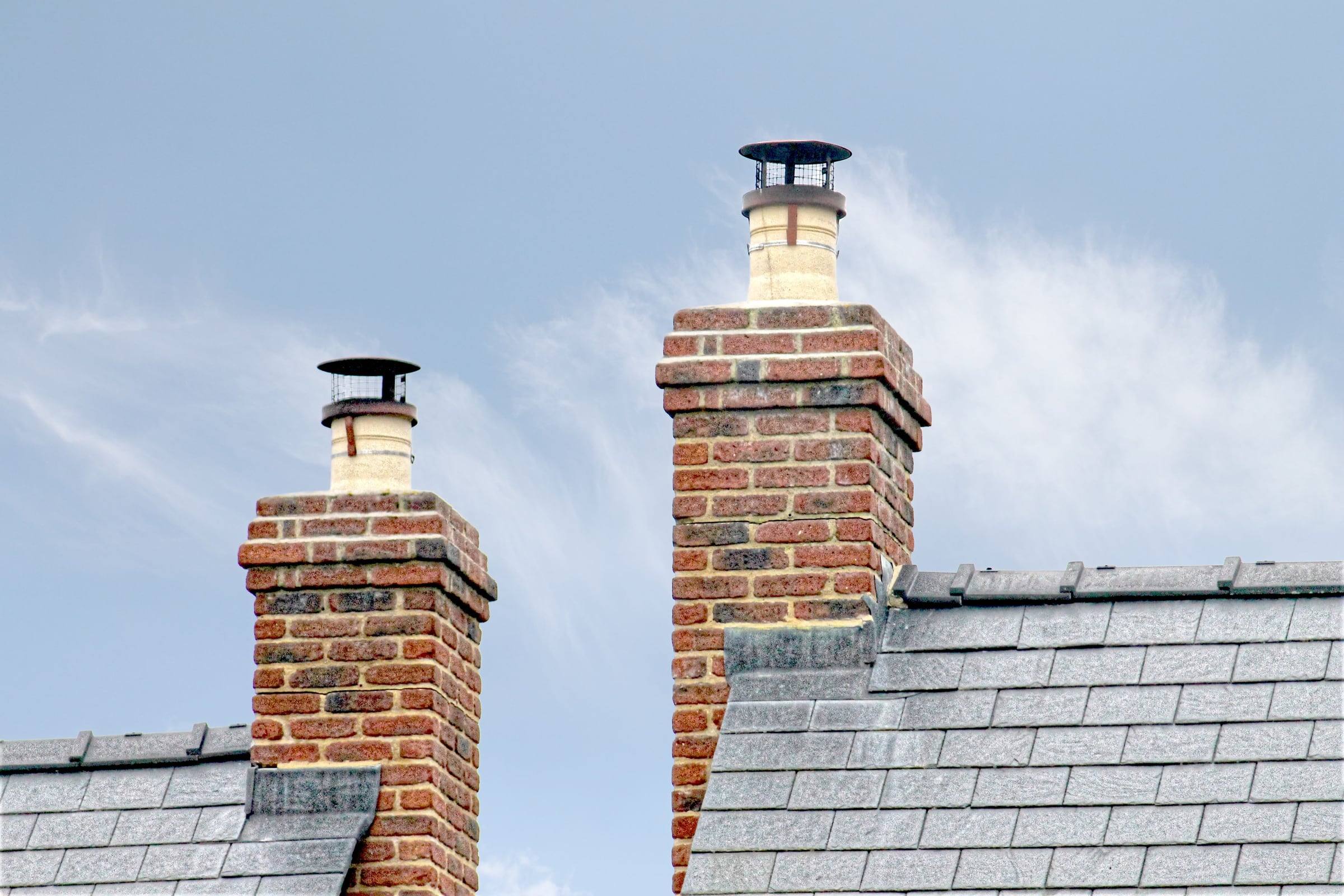
Leadwork and chimney flashing in Bristol keep water out where the roof meets something else: a chimney, a wall, a dormer or a bay window.
When flashings crack, lift or lose their mortar, water finds its way into ceilings and chimney breasts. We repair and renew flashings, valleys and lead-covered bays.
What the work covers
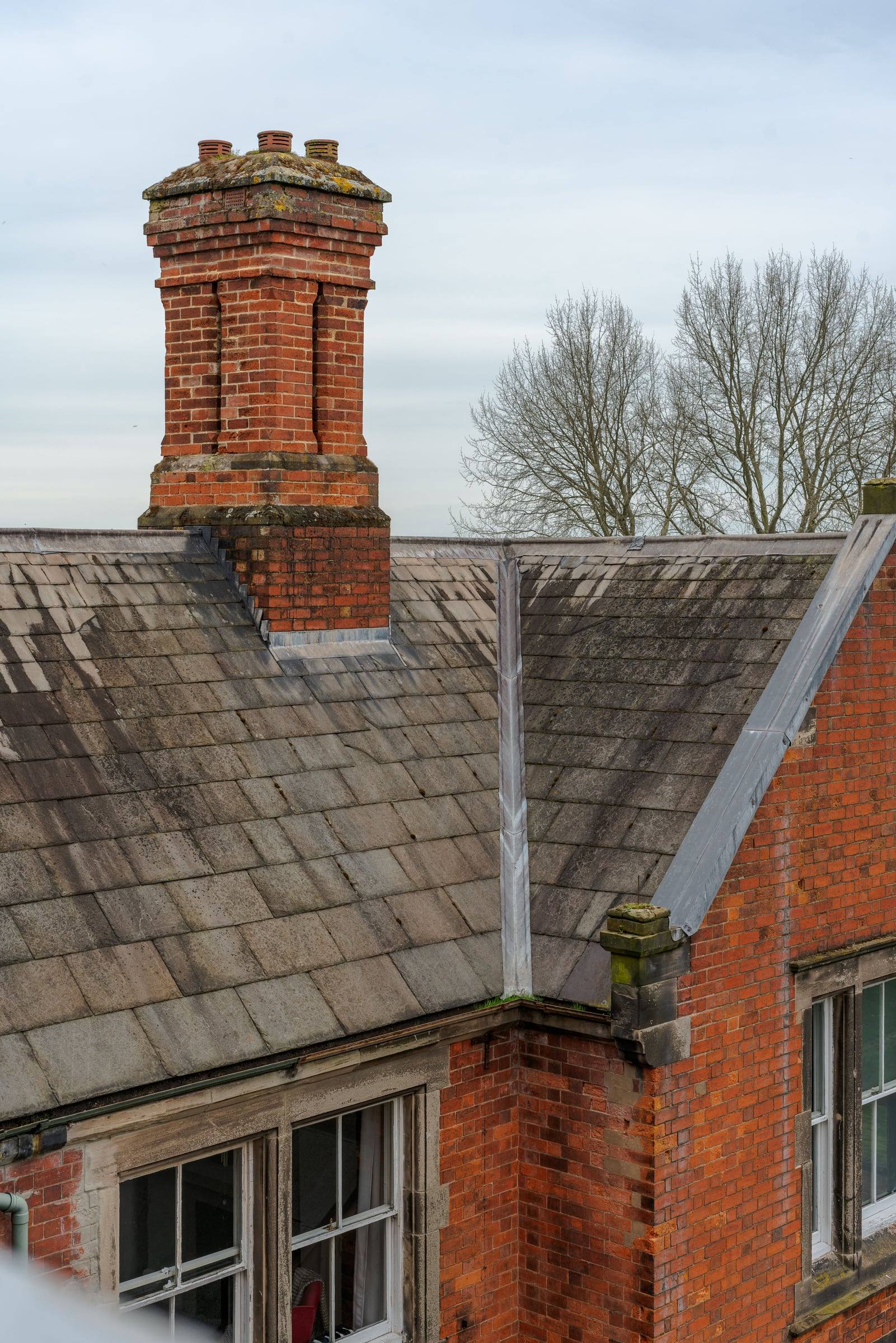
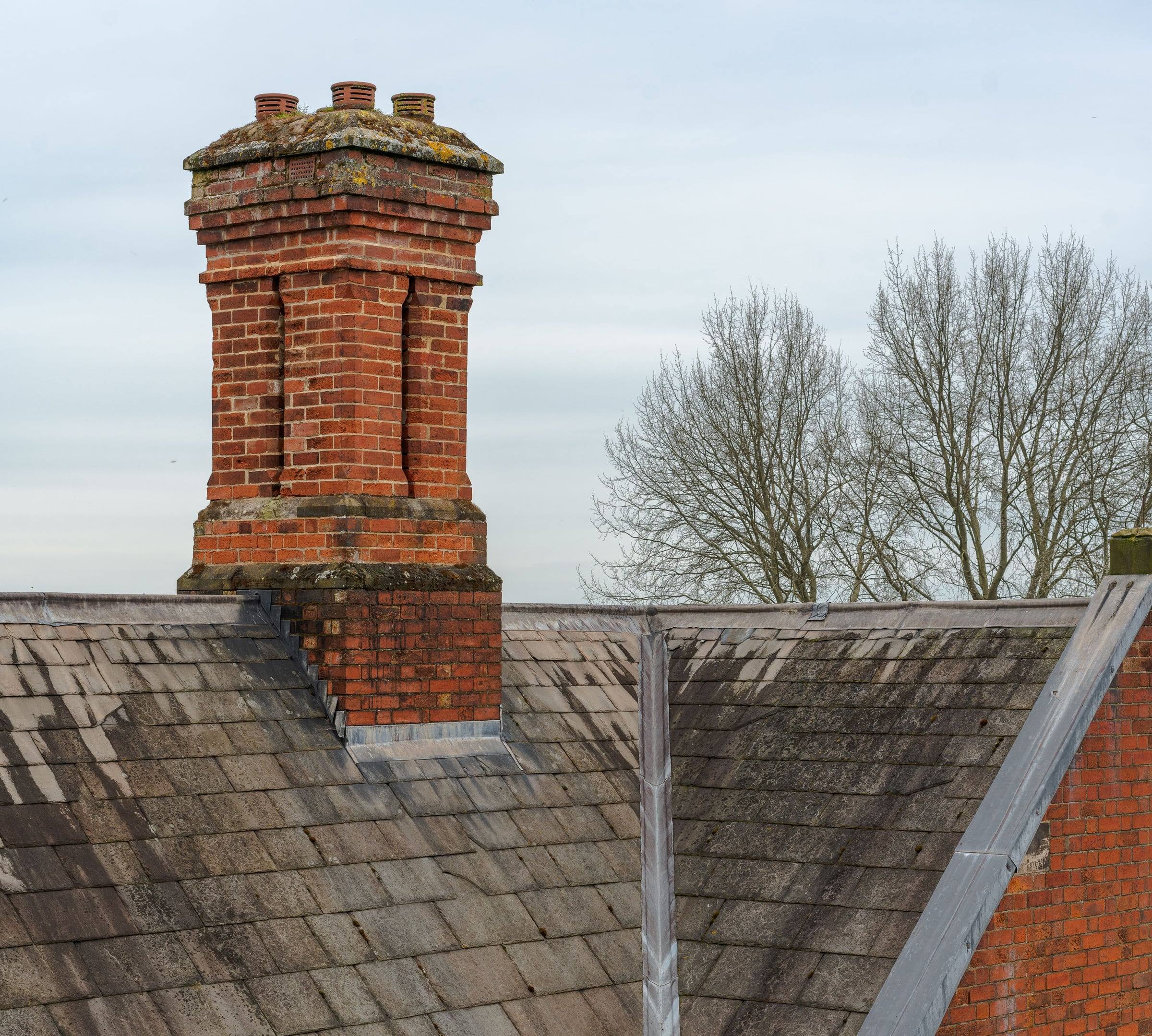
- Chimney flashings: aprons, step flashings, soakers and back gutters
- Lead valleys between two roof slopes
- Abutment flashings where a roof meets a wall
- Lead on bay windows, porches and dormer cheeks
- Flashings refixed and repointed where they have pulled out of the brickwork
- Chimney repointing and new flaunching alongside the leadwork
When you might need it
- Damp on a chimney breast inside the house
- A stain on the ceiling near a chimney or a wall
- Lead lifting or flapping in the wind
- Mortar missing where the lead tucks into the brickwork
- Splits in old lead, often where it was laid in long lengths

How the work runs.
Find the source
We check the flashing, the brickwork and the top of the stack, because damp near a chimney has more than one cause.
Plan each junction
Lead is cut and dressed to suit each detail, in lengths short enough to move with the weather.
Dress and fix
New lead is dressed into shape, wedged and pointed into the joints, with soakers under the tiles where needed.
Show the finish
You see photos of each junction, because most chimney work is out of sight from the ground.
Damp on the chimney breast every winter. New lead flashing and a repoint, and the photos showed exactly what had failed and why.
Why is lead still used on roofs?
Lead can be shaped on site around chimneys and awkward junctions, and it lasts well when it is the right thickness and fixed in sensible lengths. Lead alternatives exist and suit some jobs; we tell you which we would use and why.
My chimney is letting in water. Is it always the flashing?
Not always. Damp near a chimney can come from the flashing, from porous bricks or mortar, from a cracked flaunching on top of the stack, or from condensation in a capped flue. Each is checked before a repair is suggested.
Does chimney work need scaffolding?
Usually, yes. Chimneys are often high and in the middle of the roof, and working on them safely means a scaffold or a chimney platform around the stack.
Can a flashing be repaired, or does it need replacing?
A flashing that has simply pulled out of its joint can often be refixed and repointed. Lead that is split, thin or badly cracked is better replaced, usually at the same time as any loose pointing on the stack.
Talk to us about your leadwork.
A few details about your roof are a useful place to start.
4.9 from 212 reviewsFree written quotes10 year guaranteeSample figures